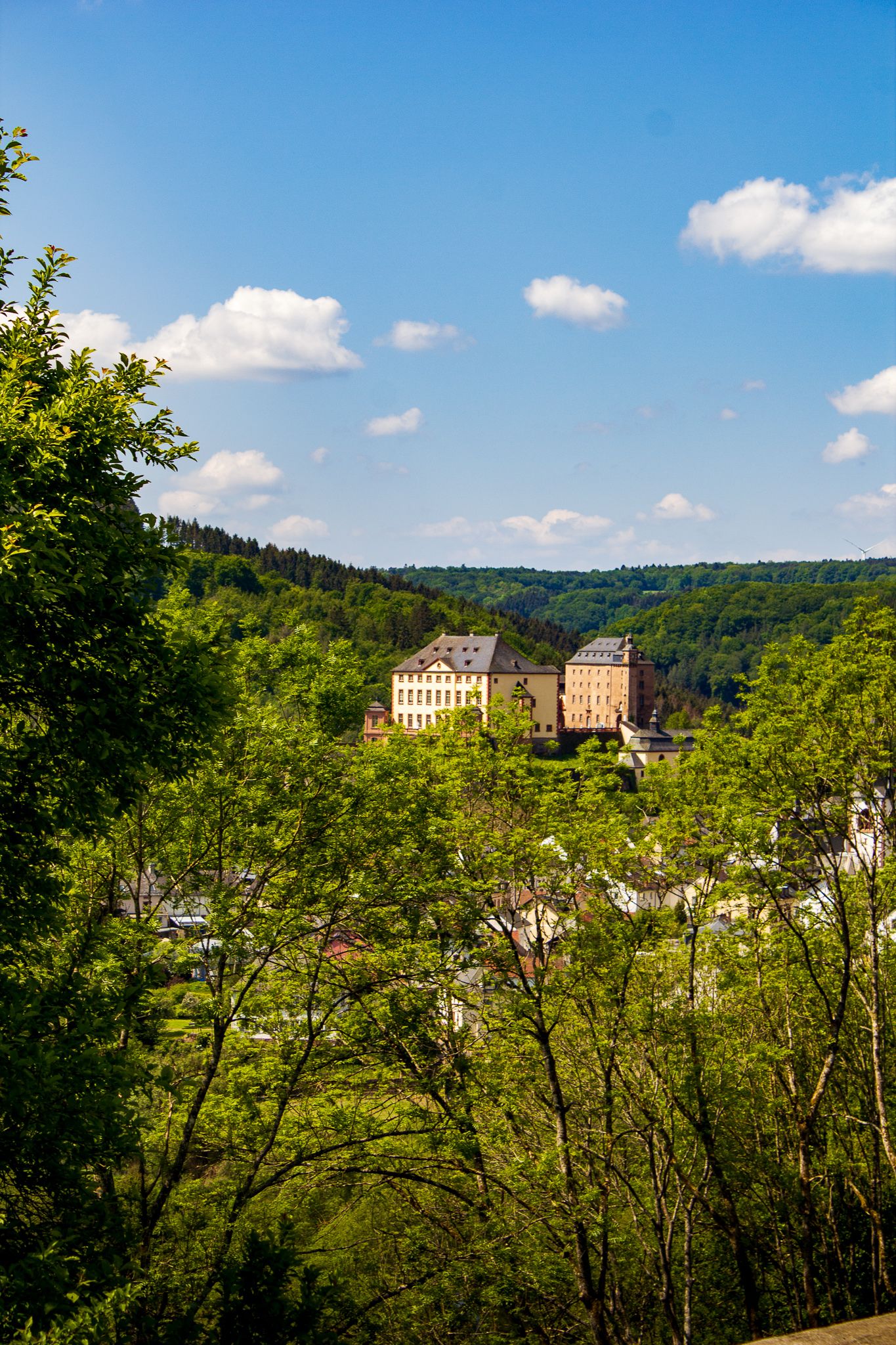
Copyright: TI Bitburger Land
The most beautiful excursion destinations in the Eifel
The historically shaped and varied cultural landscape of the Eifel provides the perfect backdrop for the "Land & Culture Route". This 280 km long vacation route brings together the region's most beautiful excursion destinations and makes them "experienceable" by car.
Loose fruit trees give the Southern Eifel its typical face. Deep green forests alternate with picturesque meadows and pastures where cows chew their grass with relish. An idyllic landscape, dotted with numerous castles and palaces, some of which are in ruins, but others have been preserved in their full splendor. Malberg Castle towers particularly impressively on a rocky spur above the Kyll Valley, and Neuerburg Castle, the largest surviving castle complex in the Bitburg-Prüm district, also dominates the small town that gives it its name. The deep religious roots of the region are illustrated by impressive buildings such as the St. Salvator Basilica in Prüm.
Exciting museums keep history alive and provide information about the region's peculiarities. The relics left behind by the Romans in the Southern Eifel are particularly interesting. A Roman copper mine and extensive villa complexes in Welschbillig and Fliessem bear witness to the creative power of days gone by. The Southern Eifel also has a lot to offer artistically: The fountain and sculpture park in Niederprüm skillfully combines nature with art, as does the artists' settlement of Weißenseifen in the middle of the forest.
On a journey through the diverse cultural landscape, scenic highlights such as the reservoir in Biersdorf catch the eye. A wonderful interplay of flora and fauna can be experienced in the Valley of 1000 Butterflies near Arzfeld. Nature shows itself in all its glory on the Ferschweiler Plateau, where it has created impressive natural spectacles with the Devil's Gorge and the Irrel Waterfalls. A variety of modern leisure facilities along the route round off the diverse spectrum of the "Land & Culture Route".
Embark on an exciting journey to the country and its people!
Cultural and tourist attractions
12 results
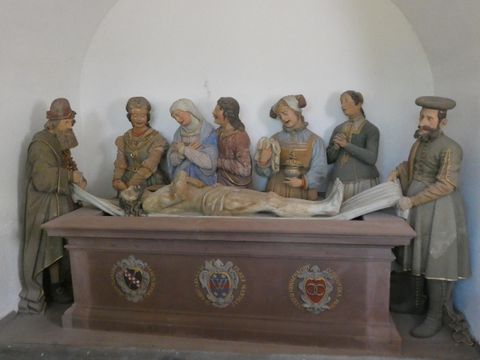
Spangdahlem entombment group of Christ
SpangdahlemOpen today
In the chapel there are three sculpture groups: the Entombment group from 1643, the Lamentation, or "Holy Grave" group, and the Resurrection group created in 1750.
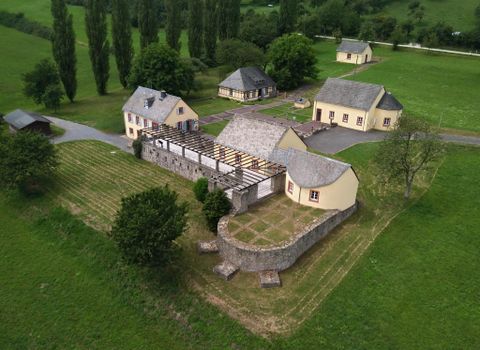
Villa Otrang, relicts of Roman glory
Fließemclosed today
This is how luxurious and pleasant country living was for rich Romans. Take a look at the artistic mosaic floor! And then the beautiful view...
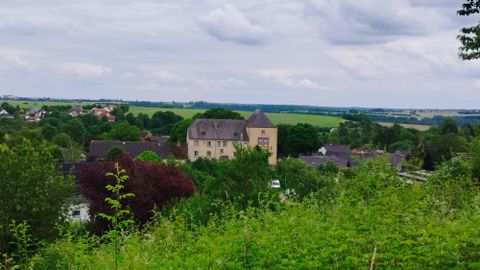
Dudeldorf Castle
DudeldorfOpen today
The listed building is not only being used as living quarters but also as a place to offer high-quality cultural venues. Theatre, concerts and exhibits take place inside and outside the castle.
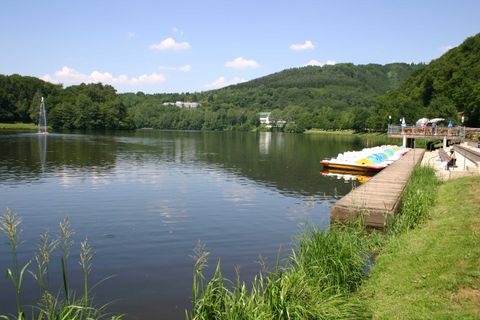
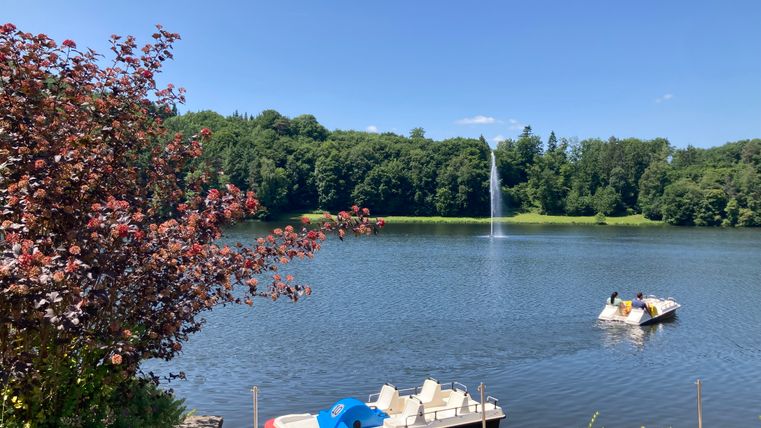
Water reservoir Bitburg
BiersdorfOpen today
Located in the picturesque Prüm Valley, Biersdorf’s reservoir, known locally as ’Stausee,’ is the holiday oasis of the southern Eifel.
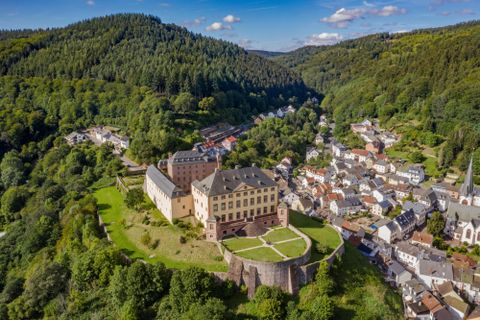
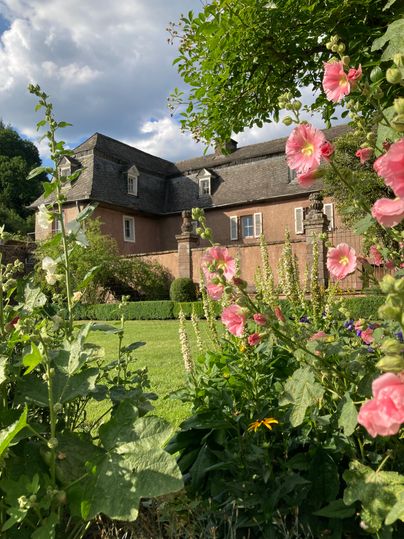
Schloss Malberg & Gärten
MalbergOpen today
The representative buildings of Malberg Castle contain stucco ceilings and wood paneling as well as tapestries. A painted wall covering with hunting scenes is unique.
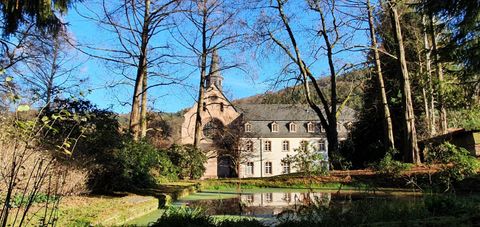
St Thomas's Monastery
St. ThomasOpen today
The Cistercian monastery was founded in 1185 to honour the Archbishop of Canterbury.
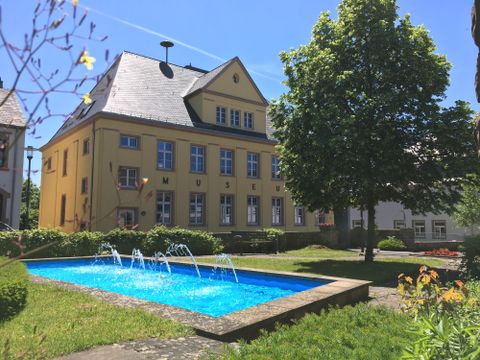
Museum Speicher
Speicherclosed today
The museum of Speicher offers an insight into the everyday life of our ancestors. The museum’s highlights include the exhibition entitled “Necessity is the Mother of Invention”, which shows how the people of the Eifel converted war materials into everyday objects.
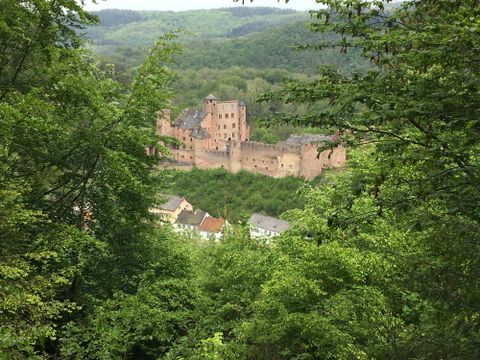
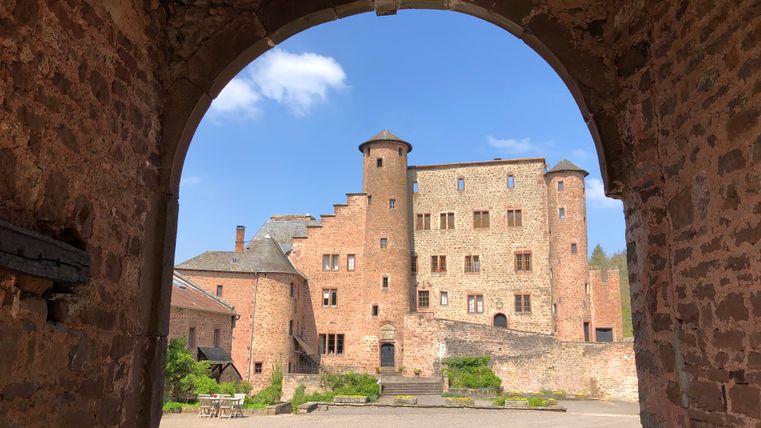
Hamm Castle
HammOpen today
The late medieval fortress from the 14th Century in Hamm near Bitburg is the largest of the castles in the Eifel still privately occupied. Here you can celebrate special occasions, be civilly married, get religiously married the Baroque chapel, dine in the Knights Hall, dance, celebrate birthdays and anniversaries, hold a champagne reception in the courtyard and much more.
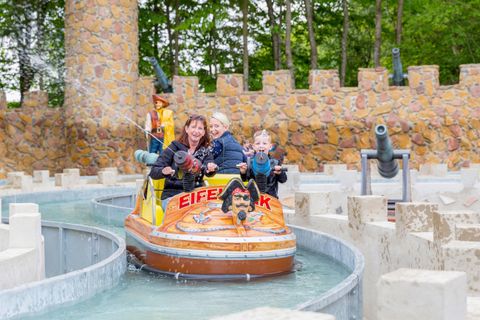
Leisure and Animal Park "Eifelpark"
GondorfWILD ANIMALS AND LEISURE – THE PERFECT DAY OUTCovering an area the equivalent of around 100 football pitches, Eifelpark Gondorf is a unique combination of amusement park and wildlife park. More than 60 attractions and over 200 wild animals make Eifelpark the perfect destination for families with children, hiking days for school and nursery school classes, senior citizens’ trips and exciting group excursions. Free Parking All attractions included in admission fee Dogs allowed on a leash
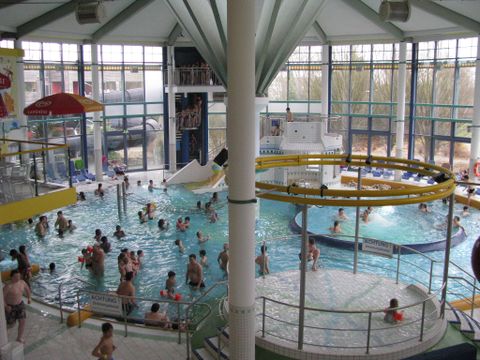
Cascade water park with sauna world
BitburgIn winter or summer, in the CASCADE adventure pool with SAUNA WORLD neither weather nor season matter. You can relax here all year round and enjoy an active day of fun.