Copyright: TI Bitburger Land
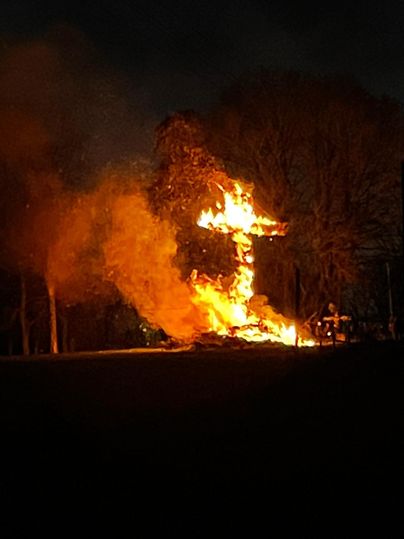
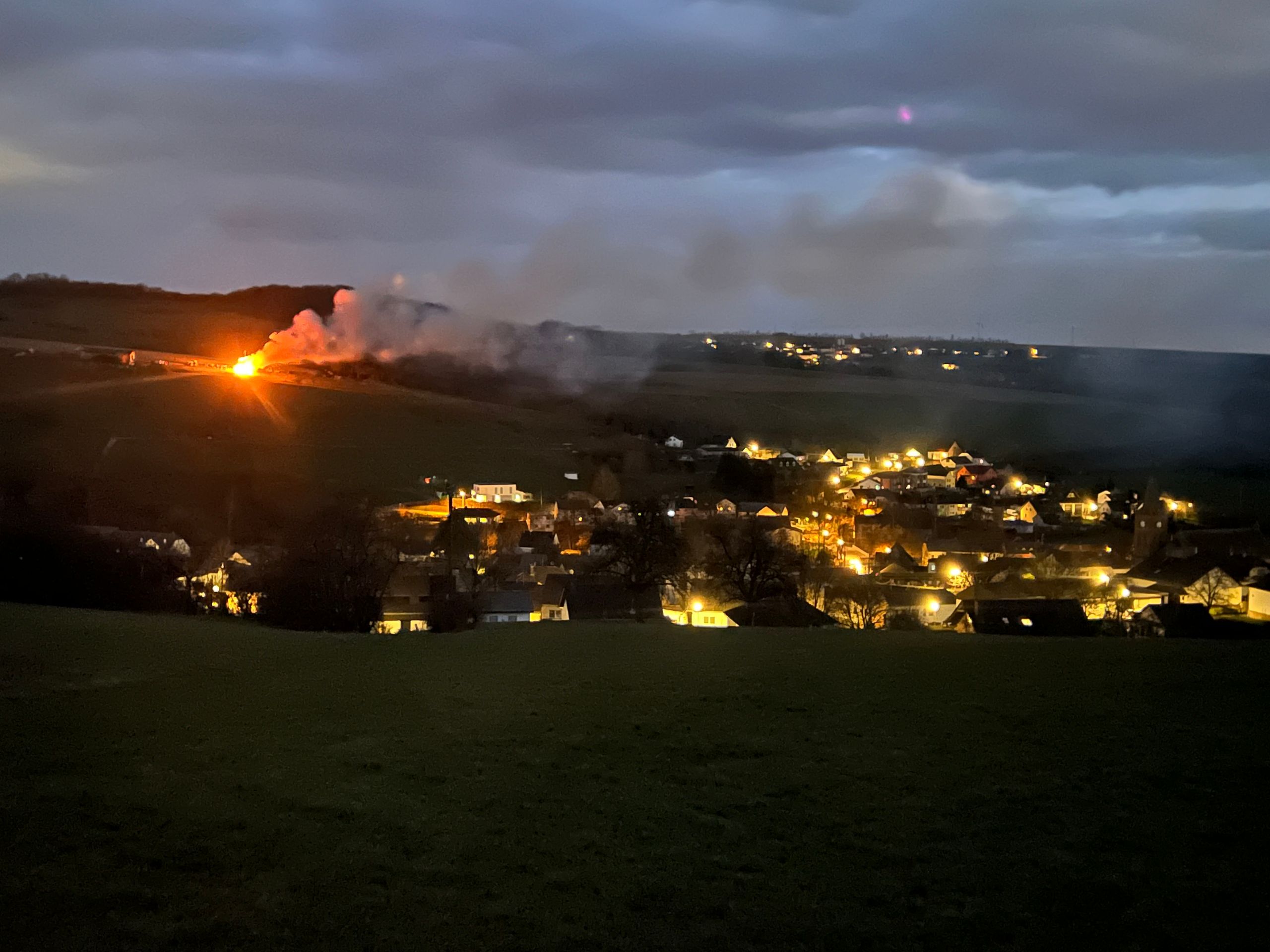
Hut burning
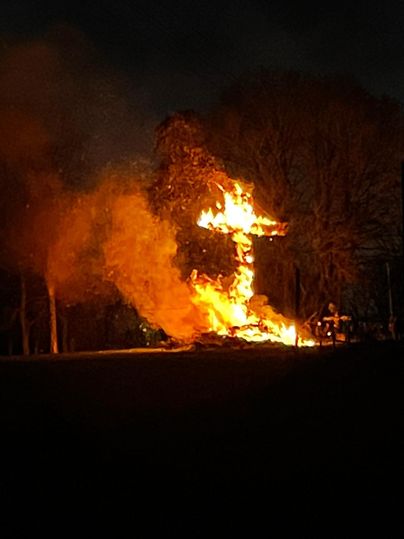
On the Sunday after Ash Wednesday, the 1st Sunday of Lent, many places in the Eifel region traditionally hold a hut burning ceremony
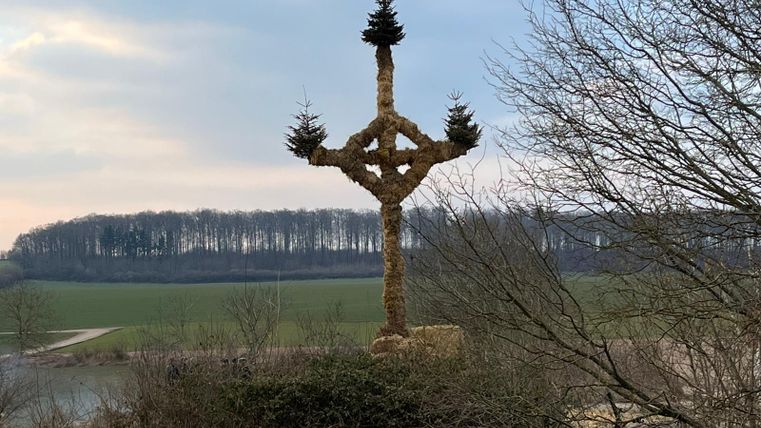
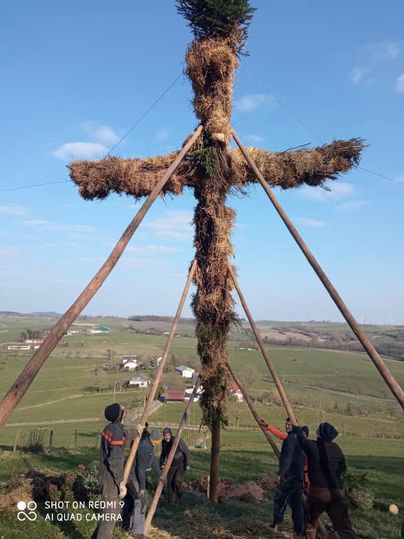
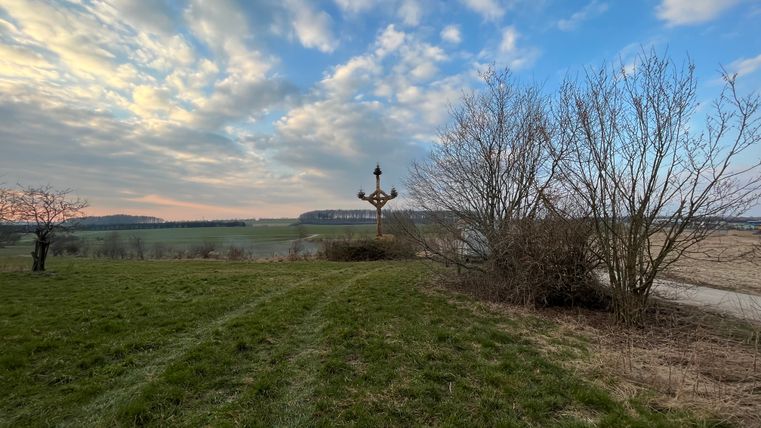
On the Sunday after Ash Wednesday, the 1st Sunday of Lent (in Mosel-Franconian: "Schäfsunndisch", Schäf = bundle of straw), the burning of huts ("de Hett gett verbraant") traditionally takes place in many places in the Eifel. The custom goes back to the pagan belief that winter should be burnt so that spring can come. A wooden straw cross was often erected to establish a link to Christianity.
In some places, the mostly male youths collect brushwood and branches weeks in advance and tie them into bundles (in Mosel-Franconian: "Schaanzen"), which are then later piled up with straw and other combustible materials to form a large heap. In other places, only adults or the fire department collect straw and flammable materials to pile up on the actual Sunday. In every village, there are small variations or peculiarities, be it in the construction of the pile, the saying during the gathering or the consumption of the food.
Here is an example:
In the small Eifel village of Niederweiler, it was customary for the older village boys to meet weeks in advance to "Schaanzen maachen". The oldest boy was the "Kupphär", i.e. the leader of the group. Everything was then piled into a large heap ("Hettekupp") on a hill at the "Schäfsunndisch" so that the fire could be seen from afar. The laboriously assembled pile had to be guarded if the fire was to be lit on Sundays. The boys from the neighboring villages often made a joke of lighting the piles that had already been heaped up the day before.
As a reward for their efforts, the boys would parade through the village on Sundays or even the day before. With the slogan:
"Hei kommen de Nearweiler Hette Jung, die häädte gearen hiere Lung. If we had planned it that way, we would have gone to the wall and the pasture."
They visited the houses and collected eggs, butter, flour and bacon. The couple who had married last was responsible for the Sunday evening meal.
Today, the procedure has been adapted somewhat to the smaller number of children in the village: the fire department has taken over the erection of the "Hettenkupp" and the straw cross that has been made for several years. All the children of the village collect the gifts on Sundays, the saying has remained almost the same. In the evening, everything is eaten together in the village hall and the entire village community is invited.