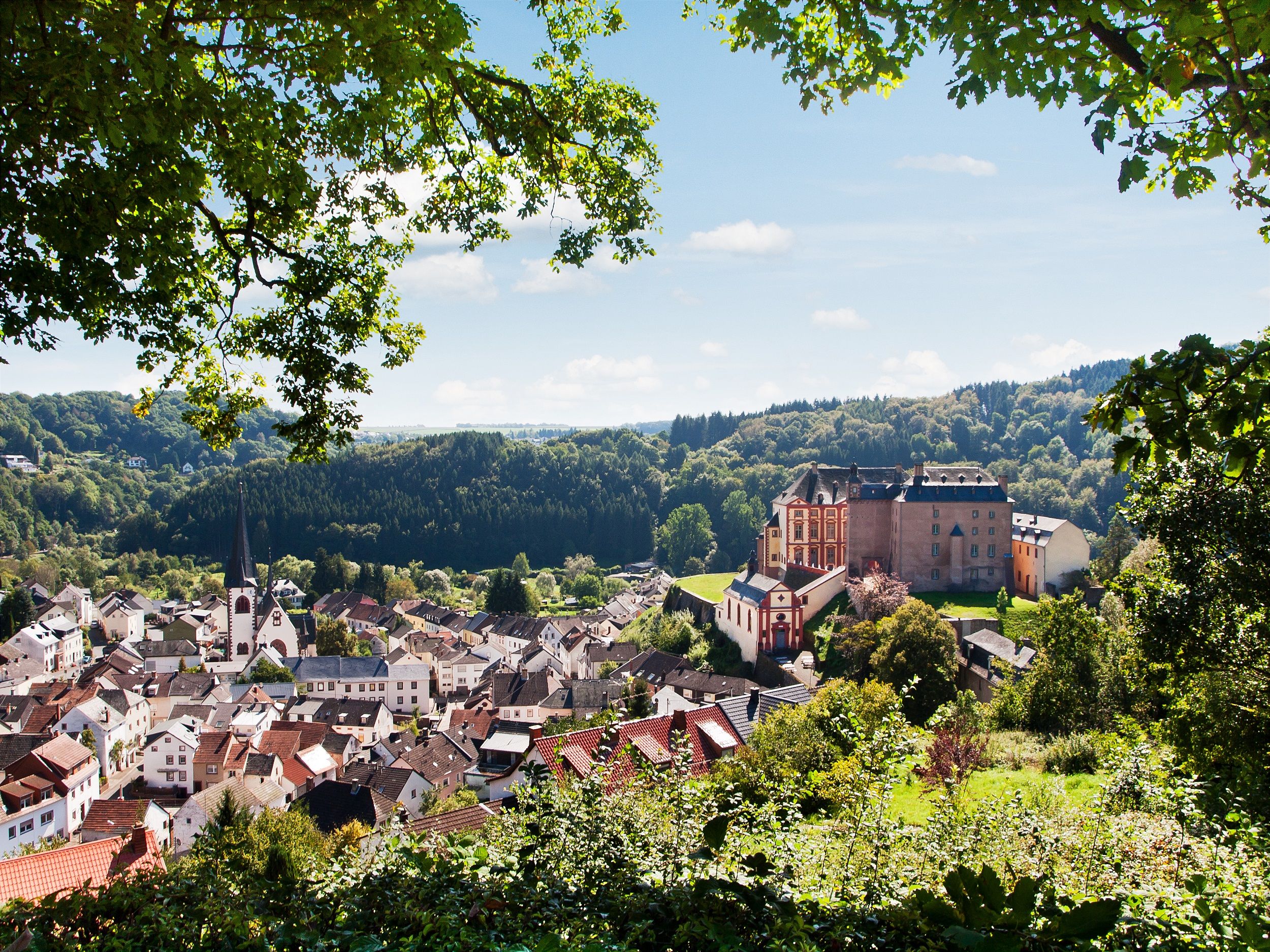
Copyright: TI Bitburger Land
Places of interest
38 results
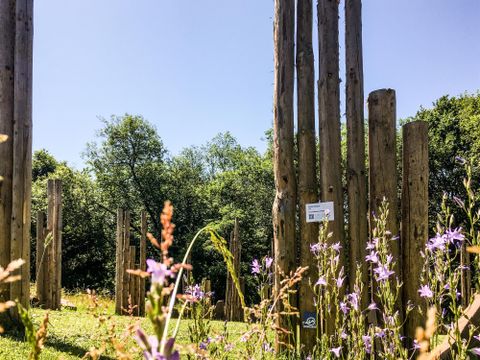
Kunstroute Kyllburg
KyllburgOpen today
The Kyllburg Art Route is a project that harmonizes art and landscape in a similar way to "Land Art"
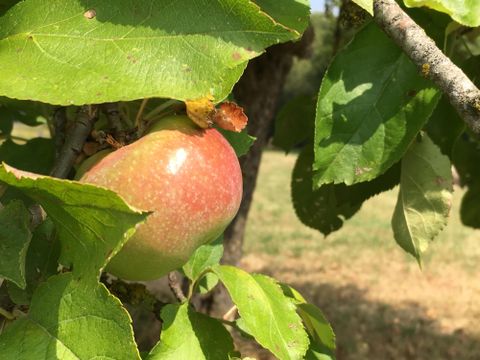
Kyllburg Fruit Tree Trail
KyllburgOpen today
The fruit tree nature trail on the Stiftsberg in Kyllburg shows different types of fruit in the parsonage meadow.
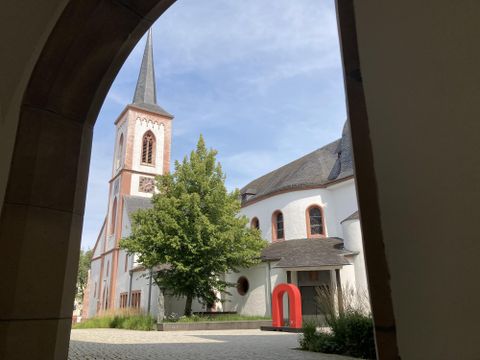
Liebfrauenkirche – The Church of Our Lady
BitburgOpen today
At the highest point in Bitburg, next to the City Hall, is Liebfrauenkirche – The Church of Our Lady. Hidden in her walls, are remains of various architectural periods.
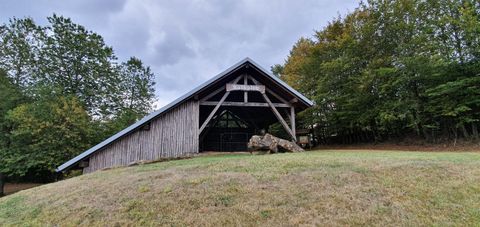
Lime kiln
GransdorfOpen today
Lime was already burnt by the Romans 2000 years ago. For the Eifel farmers, lime burning was an important and necessary secondary income in the 19th and beginning of the 20th century.
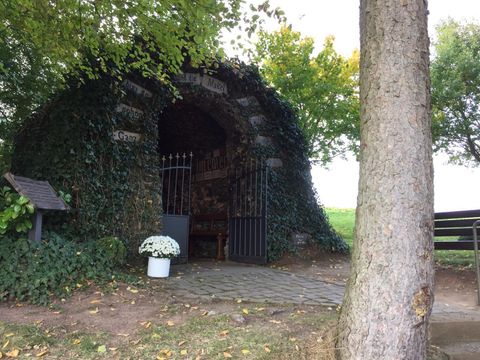
Lourdes Grotto Beilingen
BeilingenOpen today
The Lourdes Grotto is located in the community of Beilingen. It was built in 1909 on the initiative of Mr Nikolaus Bonertz. Throughout the year the grotto is visited by many believers and pilgrims. At the beginning of october there is an annual light procession to the Lourdes Grotto. Inside and outside the grotto is covered with lava slag. Ivy, moss and trees grow all around.
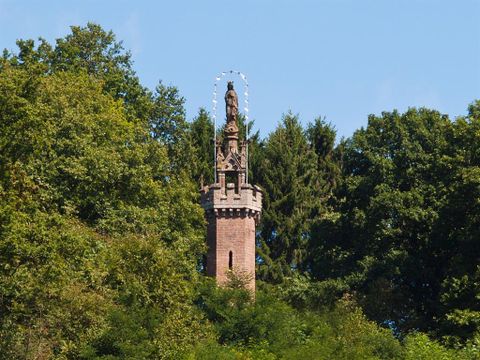
Marian column
KyllburgOpen today
The Mariensäule was built in 1886 in honour of the Mother of God. An internal spiral staircase leads to a viewing platform. The seven stations of the „Kreuzweg“ also end at the Mariensäule.
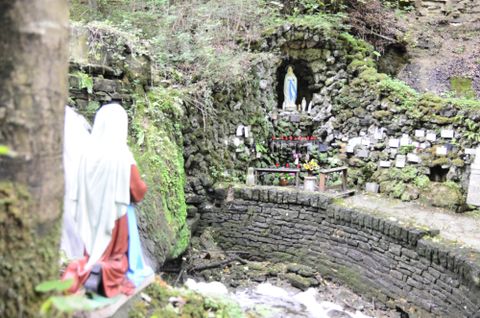
Marian Grotto Albach
BitburgOpen today
East of Bitburg, about 3 km away, lies the Albachtal in an idyllic limestone gorge. Stairs of natural stone (caution: danger of slipping) lead to the enchanted place of the Mariengrotte. Moss, ferns and clover line the path to the left and right. After a short time, the view of a waterfall and the Mariengrotte opens up.
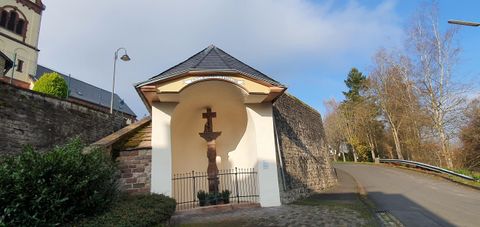
Hiking
Oberweis Cross Path
OberweisOpen today
Distance:14.8 km
Duration:4:10 h
Difficulty:Medium
The stonecrosses along the "Oberweiser Kreuze-Weg" are provided with numbered information boards. The trail includes 12 stations and has a length of about 14 kilometres.
Rittersdorf Castle
RittersdorfOpen today
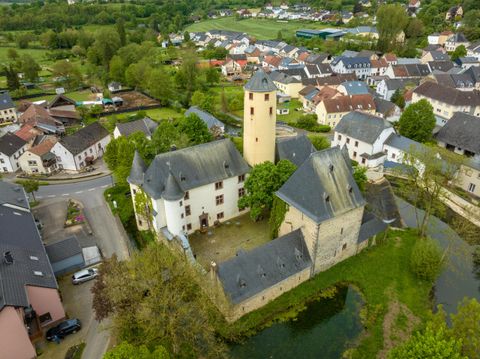
The nearly 700 year-old water castle is located three kilometers north of Bitburg in Rittersdorf. It houses in the Gothic Knights' Hall, the registrar's office (branch) of the District Administration of the Bitburg region.
Roman long wall
HerforstOpen today
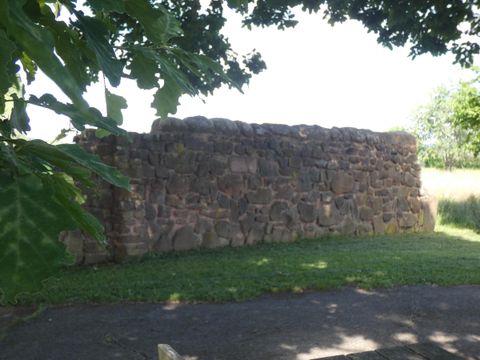
In the community forest of Herforst, the so-called "Arenberg Forest", there are still remains of this wall as a 1 m-high stone wall with original foundations.